
Introduction
Civilian maritime volunteerism has a long tradition in the United States of America. Its roots can be traced back to the 1850s when volunteers used government-funded surfboats to rescue shipwreck victims, risking their lives in the most dangerous conditions imaginable.
In the 1930s pleasure boating became an increasing popular hobby among the US-population. In the late 1930s, it were over 300,000 motorboats already, and the numbers were growing still. These numbers outpaced the Coast Guard’s active-duty resources.
The U.S. Coast Guard Auxiliary represents a unique, quasi-governmental, all-volunteer organization that acts as an essential force multiplier („Team Coast Guard“) through maritime safety, public education, operational support, and legislative evolution. The USCG Auxiliary serves as a support, while having the same status as the normal USCG forces while on duty.
Legislative and Historical Evolution (1934–Present)
A. Genesis and the „Founder’s Letter“ (1934)
The initial impetus for a volunteer civilian reserve emerged from the boom in recreational boating during the interwar years. In the summer of 1934, Malcolm Stuart Boylan, a prominent Hollywood screenwriter and the first commodore of the newly formed Pacific Writers Yacht Club in Los Angeles, became concerned about the seaworthiness of his fellow club members‘ vessels prior to a planned 26-mile cruise to Catalina Island. Boylan visited the Coast Guard cutters anchored at Watchorn Basin in Los Angeles Harbor and persuaded the senior officer present, LCDR C.W. Thomas of the cutter Hermes, to conduct a pre-cruise dockside safety inspection of the club’s fleet.
While LCDR Thomas was unable to make the trip, the commanding officer of the cutter Aurora, LT Francis C. Pollard, joined Boylan aboard his yacht Chula for the run to Catalina. During the passage, Pollard provided Boylan with an in-depth overview of the Coast Guard’s heritage, its vast array of statutory duties, and the crucial fact that, unlike the other military branches, the Coast Guard lacked an organized reserve force.
Inspired by these conversations, Boylan drafted what is now celebrated as the „Founder’s Letter“ of the Coast Guard Auxiliary, sending it to LT Pollard on August 23, 1934:
- Addressing a Structural Disparity: Boylan highlighted that while the Navy maintained a robust reserve of thousands of officers and enlisted personnel, the Coast Guard stood alone among the armed services without a reserve mechanism, despite its heavy operational load.
- Proposing Volunteer Flotillas: He suggested establishing a Coast Guard Reserve comprised of civilian pleasure boat owners who would place „auxiliary flotillas of small craft“ at the disposal of Coast Guard officers for frequent maritime emergencies and routine patrol duties.
- Emphasizing Selectivity and Professionalism: Boylan advocated for strict standards, recommending that commissions and ratings be limited to qualified individuals of high character and proven seamanship to uphold the dignity of the service.
- Service Without Pay: The proposal stressed that members of this civilian reserve would willingly serve without financial compensation, motivated solely by a love of the sea and a desire to support the Coast Guard’s mission.
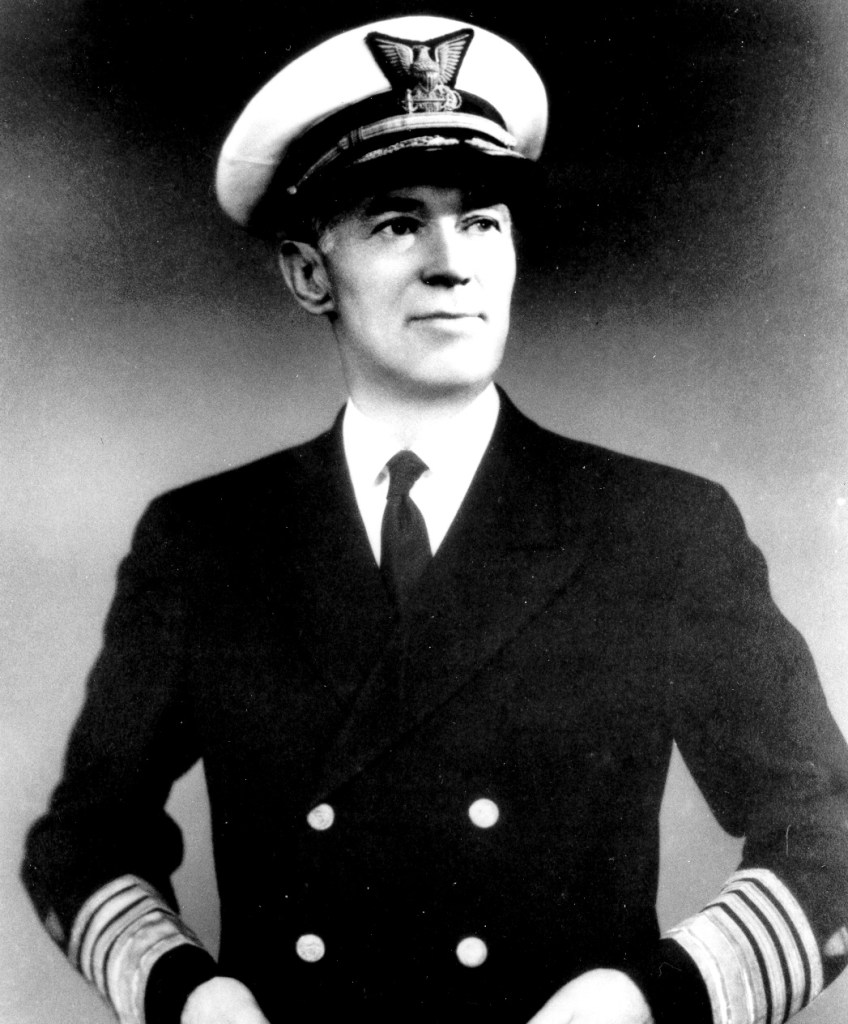
LT Pollard forwarded the letter through official channels to Coast Guard Headquarters in Washington, D.C. While the proposal initially lay dormant amid the economic and administrative pressures facing the service in late 1934, it caught the attention of CDR Russell R. Waesche, then an aide to the Commandant. Waesche recognized the immense potential of Boylan’s vision, and upon his appointment as Commandant in 1936, he drew upon the concepts in the „Founder’s Letter“ to build congressional support for the enabling legislation that officially created the organization five years later (https://www.uscgauxsoportlandme.com/ppages/phistory/FOUNDING.PDF, 28.08.2026).
B. World War II Mobilization (1941–1945)
Enacted on February 19, 1941, the Coast Guard Reserve and Auxiliary Act formally established the USCG Reserve while re-designating the former civilian „Coast Guard Reserve“ as the Coast Guard Auxiliary. Structured along the lines of the Naval Reserve, this new military force was divided into two distinct groups: Regular Reservists and Temporary Reservists. Regular Reservists were called up for active military duty „for the duration“ of World War II. Meanwhile, Temporary Reservists—comprising unpaid volunteers and former Auxiliarists—provided critical localized support, manning coastal pickets and securing vital port infrastructure.
Congressional authorization expanded the service’s capacity on November 23, 1942, with the passage of Public Law 773, establishing the Coast Guard Women’s Reserve. Its members were designated as SPARs—a mnemonic crafted from the Coast Guard motto, Semper Paratus („Always Ready“). Reserve components proved indispensable to wartime operations: over 92% of the 214,000 active-duty Coast Guardsmen during World War II were Reservists, augmented by an additional 125,000 Temporary Reservists who covered the entire spectrum of service missions. Following the cessation of hostilities, the vast majority of these reserve forces were either transitioned to inactive status or honorably discharged (https://www.reserve.uscg.mil/about/history/, 28.08.2026).
C. Post-War Re-definition & Modernization
Following the conclusion of World War II, the Coast Guard Auxiliary underwent a major organizational shift as its wartime temporary defense duties came to an end.
Post-WWII Transition (1946–1950s)
The Auxiliary redirected its focus from national defense back to its core civilian mission: recreational boating safety. During this era, the organization formally established its „Four Cornerstones“—Public Education, Courtesy Examinations, Operations/Patrols, and Fellowship. A major milestone occurred in 1947 when the Auxiliary established the Courtesy Motorboat Examination (CME) program on a national scale (later renamed the Vessel Safety Check program), offering free, non-punitive safety inspections to the boating public.
Federal Boating Acts (1958 & 1971)
Rapid growth in recreational boating led Congress to pass landmark safety legislation. The Federal Boating Act of 1958 created a standardized vessel numbering system and expanded federal safety standards. Thirteen years later, the Federal Boat Safety Act of 1971 granted the Coast Guard flexible regulatory authority to establish manufacturing and safety standards. These legislative acts embedded the Auxiliary directly into state and national safety compliance frameworks, as state law enforcement agencies began accepting up-to-date Auxiliary inspection decals as proof of compliance with safety regulations.
Auxiliary Act Revisions (1990 & 1996)
Recognizing the need to modernize statutory authorities, Congress revised the enabling legislation in 1990 and passed the Coast Guard Authorization Act of 1996. These legislative updates fundamentally transformed the Auxiliary’s operational scope by granting a broad congressional mandate. The new statutes authorized the Coast Guard to utilize Auxiliarists in any function, duty, role, or mission authorized by law, with the explicit exceptions of direct combat operations and direct law enforcement. This positioning firmly established the Auxiliary as an adaptable, multi-mission „force multiplier“ within Team Coast Guard (https://media.defense.gov/2017/Jul/02/2001772359/-1/-1/0/USCGAUXILIARYHISTORY.PDF, 28.08.2026).
Structural Framework and Organization
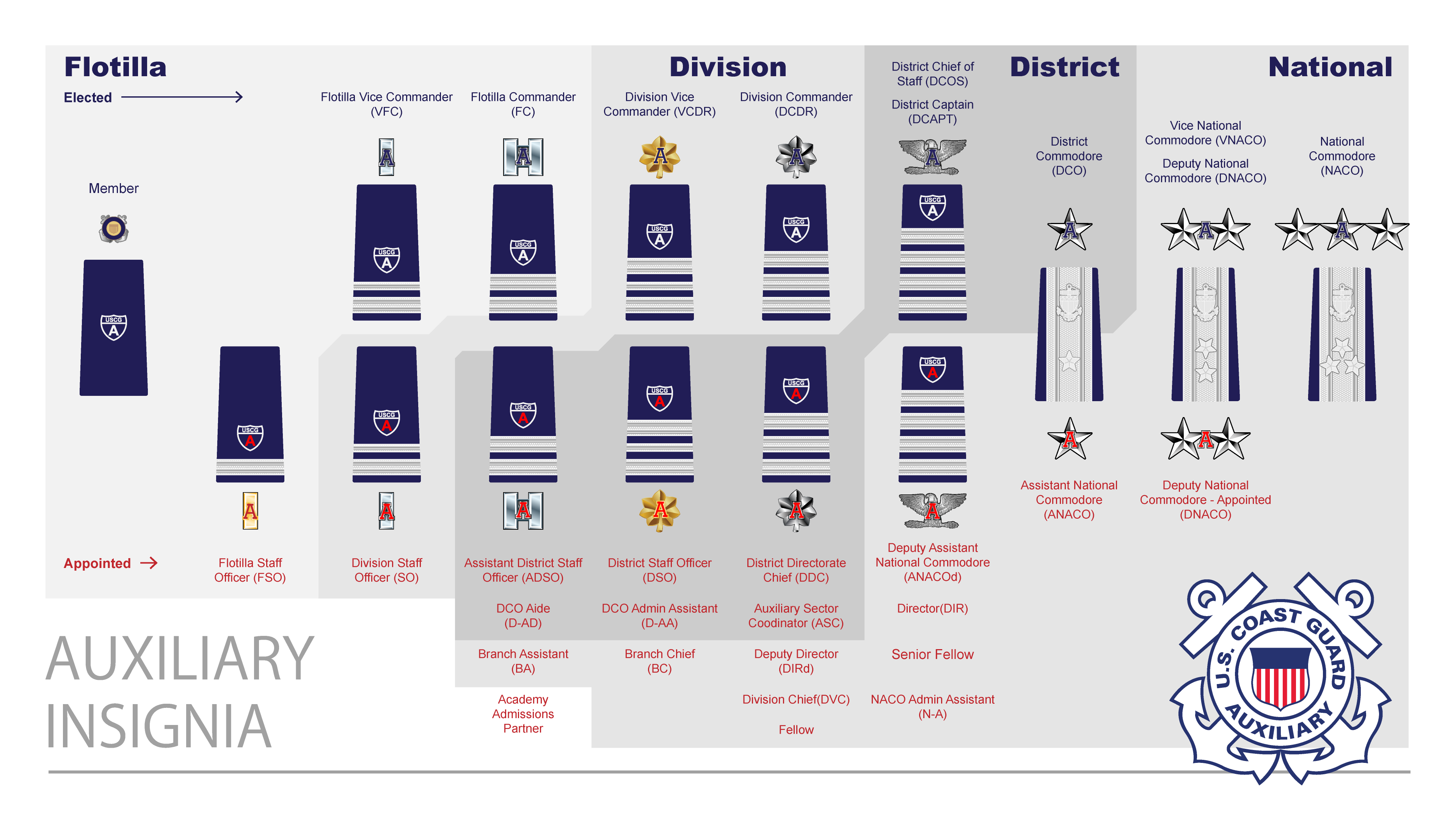
A. Hierarchical Chain of Leadership
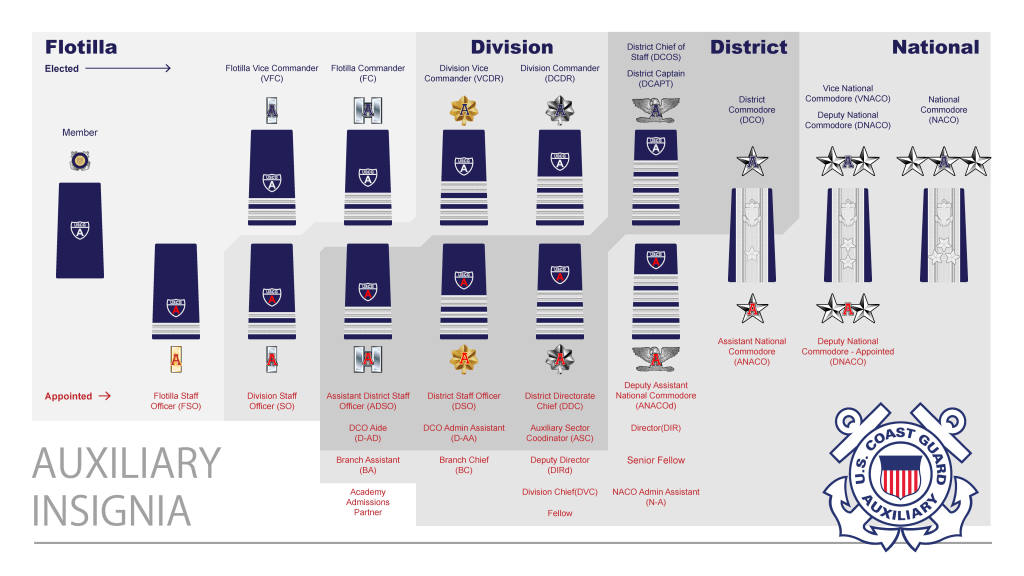
- Flotilla: Serves as the basic local operational unit of the Coast Guard Auxiliary, requiring a minimum of ten members or boats to form. Led by an elected Flotilla Commander, Vice Commander, and appointed staff officers, it carries out core local activities like public education and vessel examinations.
- Division: Formed by grouping five or more local flotillas within a defined geographic region. Led by an elected Division Captain (later Division Commander) and staff, the division coordinates multi-flotilla operations and administrative oversight.
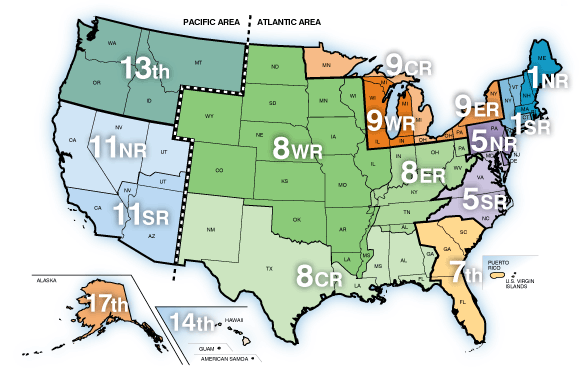
- District / Region: Administrative tiers that mirror the regional command boundaries of the active-duty U.S. Coast Guard. Managed by elected District Commodores alongside assigned active-duty Coast Guard officers serving as District Directors of Auxiliary (DIRAUX).
- National Level: The overarching organizational tier, overseen by the National Board and led by elected National Commodores. National leadership collaborates directly with active-duty Headquarters staff and the Chief Director of Auxiliary to align volunteer programs with broader service missions.
B. Legal and Financial Status
- Volunteer Status: Auxiliarists are congressionally authorized, unpaid volunteers who pay annual dues to their local flotillas and fund the acquisition and maintenance of their own personal facilities (vessels, aircraft, or radio stations).
- Reimbursement & Protections: When assigned to official Coast Guard duty under government orders, facility owners are reimbursed for actual operating costs like fuel, receive meal allowances, and are covered by government insurance.
- Legal Protections: Federal statutory revisions deem Auxiliary units and members instruments of the United States while on official duty. This status extends liability protection under civil liability statutes—including the Federal Tort Claims Act, Military Claims Act, and Public Vessels Act—alongside eligibility for medical, disability, and death-benefit compensation for injuries sustained in the line of duty (https://media.defense.gov/2017/Jul/02/2001772359/-1/-1/0/USCGAUXILIARYHISTORY.PDF, 28.08.2026).
The Four Cornerstones of the Auxiliary
Throughout its post-World War II evolution, the Coast Guard Auxiliary established and built its foundation upon „Four Cornerstones“—Public Education, Courtesy Vessel Examinations, Operations & Patrols, and Fellowship. Together, these pillars drive the organization’s core mission of promoting recreational boating safety and supporting active-duty Coast Guard operations.
- Public Education (PE):
- The Auxiliary develops and delivers comprehensive public instruction courses to educate recreational boaters.
- Offerings range from multi-lesson flagship courses—such as Boating Safety and Seamanship, Basic Sail, and Sailing and Seamanship—to specialized single-lesson seminars designed for hunters, anglers, and personal watercraft operators.
- Youth-focused initiatives, such as the national Water ’n‘ Kids program and high school seamanship modules, introduce elementary and secondary students to basic water safety and survival knowledge.
- Courtesy Marine/Vessel Examinations (CME / VSC):
- Formerly known as Courtesy Motorboat Examinations (CME) and later expanded to Vessel Safety Checks (VSC), these represent free, non-punitive equipment inspections conducted at the request of boat owners.
- Auxiliary Vessel Examiners verify that recreational craft meet or exceed federal and state safety requirements—including life jackets, fire extinguishers, ventilation systems, signaling devices, and registration numbers.
- Vessels meeting all legal standards receive a annual safety decal; boats that do not pass are given a list of deficiencies without penalty or report to law enforcement agencies. Most state marine law enforcement agencies recognize the up-to-date decal as evidence of compliance.
- Operations & Patrols:
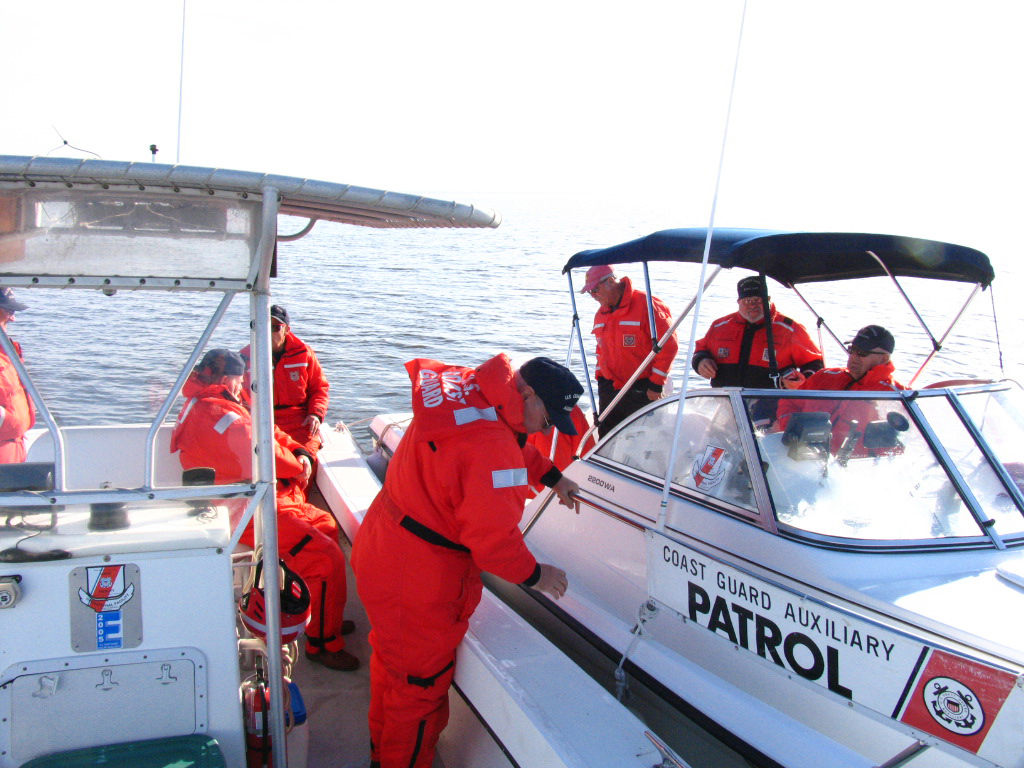
- Qualified Auxiliarists under official Coast Guard orders execute surface, air, and radio operations.
- Key operational responsibilities include conducting safety and regatta patrols, verifying and monitoring aids to navigation (ATON), assisting in marine environmental protection (such as oil spill monitoring), and executing Search and Rescue (SAR) missions.
- Auxiliarists also provide critical operational and administrative „backfill“ at Coast Guard small boat stations and communications watches, freeing active-duty personnel for high-priority missions.
- Fellowship & Community:
- Serving as the essential social glue of the organization, fellowship fosters camaraderie, mutual trust, and strong professional relationships among volunteers.
- Local flotilla meetings, regional conferences, and joint training exercises build organizational cohesion, enhance volunteer retention, and strengthen ties with local maritime communities (https://media.defense.gov/2017/Jul/02/2001772359/-1/-1/0/USCGAUXILIARYHISTORY.PDF, 28.08.2026).
Auxiliary Operational Capabilities & Assets
A. Surface, Air, and Communications Facilities
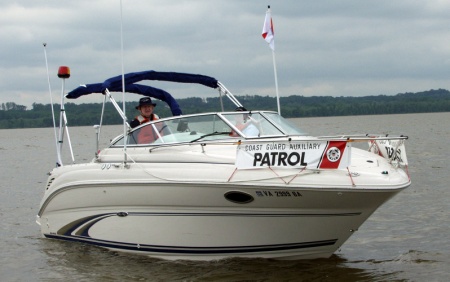
- Surface Facilities: Member-owned vessels that meet strict Coast Guard equipment and safety standards are inspectable and certified as „operational facilities“. These surface vessels are deployed under Coast Guard orders for safety patrols, search and rescue (SAR) missions, regatta management, and aids-to-navigation (ATON) verification.
- Auxiliary Aviation (AUXAIR): Formally integrated following congressional authorization in 1944, volunteer aviators offer private aircraft to serve as air facilities. AUXAIR conducts shoreline monitoring, SAR searches, marine environmental/pollution overflights, rotary wing air intercept (RWAI) target support, and logistics support, operating under a streamlined „squadron concept“ tied directly to Coast Guard Air Stations.
- Communications Facilities: Comprising fixed, land-mobile, and VHF/HF ham radio stations owned and maintained by members. Auxiliary communicators stand watches at Coast Guard stations, manage radio communications during local surface/air patrols, and maintain dedicated networks (such as CGAUXNET) to support tactical and disaster-relief operations.
B. Support Programs
- Academy Introduction Mission (AIM / Project AIM): Initiated in the 1950s as „Academy Activity Week,“ this program sponsors high school juniors for an intensive week-long summer immersion at the U.S. Coast Guard Academy in New London, Connecticut. AIM serves as a primary cadet recruiting pipeline, with former participants consistently achieving high graduation rates at the Academy.
- Recreational Boating Safety (RBS) Visitation Program: Formerly known as the Marine Dealer Visitation Program, this initiative deploys trained Auxiliary representatives to visit marine dealers, bait shops, and public vendors. Representatives establish display racks, distribute safe-boating literature, and promote Vessel Safety Checks directly at the point of customer contact.
- Auxiliary Interpreter Corps: A specialized national asset of qualified linguists proficient in dozens of foreign languages. Members provide real-time written and spoken translation support for active-duty units during foreign port visits, joint international drills, cutter deployments, and high-profile marine casualty investigations (https://www.dco.uscg.mil/Portals/9/DCO%20Documents/Proceedings%20Magazine/Archive/2019/Vol76_No1_Spring2019.pdf?ver=2019-04-03-115547-627, 28.08.2026).
Challenges, Reforms, and Modern Integration
The Non-Emergency Towing Debate (1980s):
During the early 1980s, commercial towing and salvage firms raised sharp objections to the Coast Guard and Auxiliary providing free towing services to non-emergency disabled recreational craft, arguing it infringed on private enterprise. Following Congressional directives, Commandant Admiral James S. Gracey issued updated Maritime Assistance Request Policies (MARB). These guidelines required the Coast Guard and Auxiliary to defer non-emergency towing calls to commercial providers or friends, dispatching volunteer resources only if commercial aid was unavailable within a reasonable timeframe or if immediate danger to life or property arose.
Standardization and Training Qualifications:
To improve operational safety and address liability concerns raised by the General Accounting Office (GAO), the Coast Guard instituted the Boat Crew Qualification Program (BCQP) and released the comprehensive Boat Crew Manual. This mandated that all Auxiliarists operating afloat pass rigorous physical and practical qualification tasks as Crewmembers, Personal Watercraft Operators, or Coxswains. Administratively, the service modernized its record-keeping by replacing paper forms with computerized tracking systems—first AUXMIS in the 1970s, which later evolved into AUXMIS II/AUXDATA in the 1990s—allowing for the systematic tracking of member hours, mission objectives, and qualification credentials.
„Team Coast Guard“ and Post-9/11 Integration:
In 1990, Commandant Admiral J. William Kime introduced the „Team Coast Guard“ philosophy, formally integrating active-duty, reserve, civilian, and Auxiliary personnel into a unified operational force. Following the September 11, 2001 terrorist attacks, the Auxiliary initiated Operation Patriot Readiness. Auxiliarists logged over 500,000 volunteer hours in the first year alone, providing vital surge capacity, executing harbor defense and bridge patrols, standing communication watches, and backfilling active-duty units at small boat stations across the country (https://media.defense.gov/2017/Jul/02/2001772359/-1/-1/0/USCGAUXILIARYHISTORY.PDF, 28.08.2026).
Conclusion
What began in the summer of 1934 as a simple suggestion in a letter by Malcolm Stuart Boylan has evolved across nearly nine decades into an essential, highly organized volunteer force. From the early „Corsair Fleet“ hunting U-boats during World War II to modern air, surface, and cyber support, the U.S. Coast Guard Auxiliary has continuously adapted to meet the nation’s shifting maritime needs. This evolution fulfills the enduring vision of Admiral Russell R. Waesche: that a dedicated force of civilian volunteers, working alongside an armed service, remains an indispensable, highly cost-effective asset that guarantees maritime safety, promotes public education, and strengthens national security on America’s waterways.
References
https://media.defense.gov/2017/Jul/02/2001772359/-1/-1/0/USCGAUXILIARYHISTORY.PDF
https://media.defense.gov/2020/Feb/28/2002256844/-1/-1/0/CGAUXILIARY.PDF
https://www.uscgauxsoportlandme.com/ppages/phistory/FOUNDING.PDF
https://www.reserve.uscg.mil/about/history
https://en.wikipedia.org/wiki/United_States_Coast_Guard_Auxiliary


Kommentar verfassen